

Affiliate Marketing in Gaming: From Referral Links to a Performance- Driven Growth Channel
Affiliate marketing has become an important part of the modern digital marketing ecosystem. Instead of relying only on traditional advertising, brands can work with creators, publishers, communities, and specialized websites that promote products or services through trackable links, codes, or referral systems.
The model is simple: a partner introduces an audience to a product, and the partner receives a commission when a defined action—such as a purchase, registration, subscription, or other conversion—takes place.
For gaming, this model is particularly relevant because players already discover games, hardware, digital products, and gaming services through creators and communities they follow. Affiliate marketing turns that existing attention into a measurable acquisition channel.
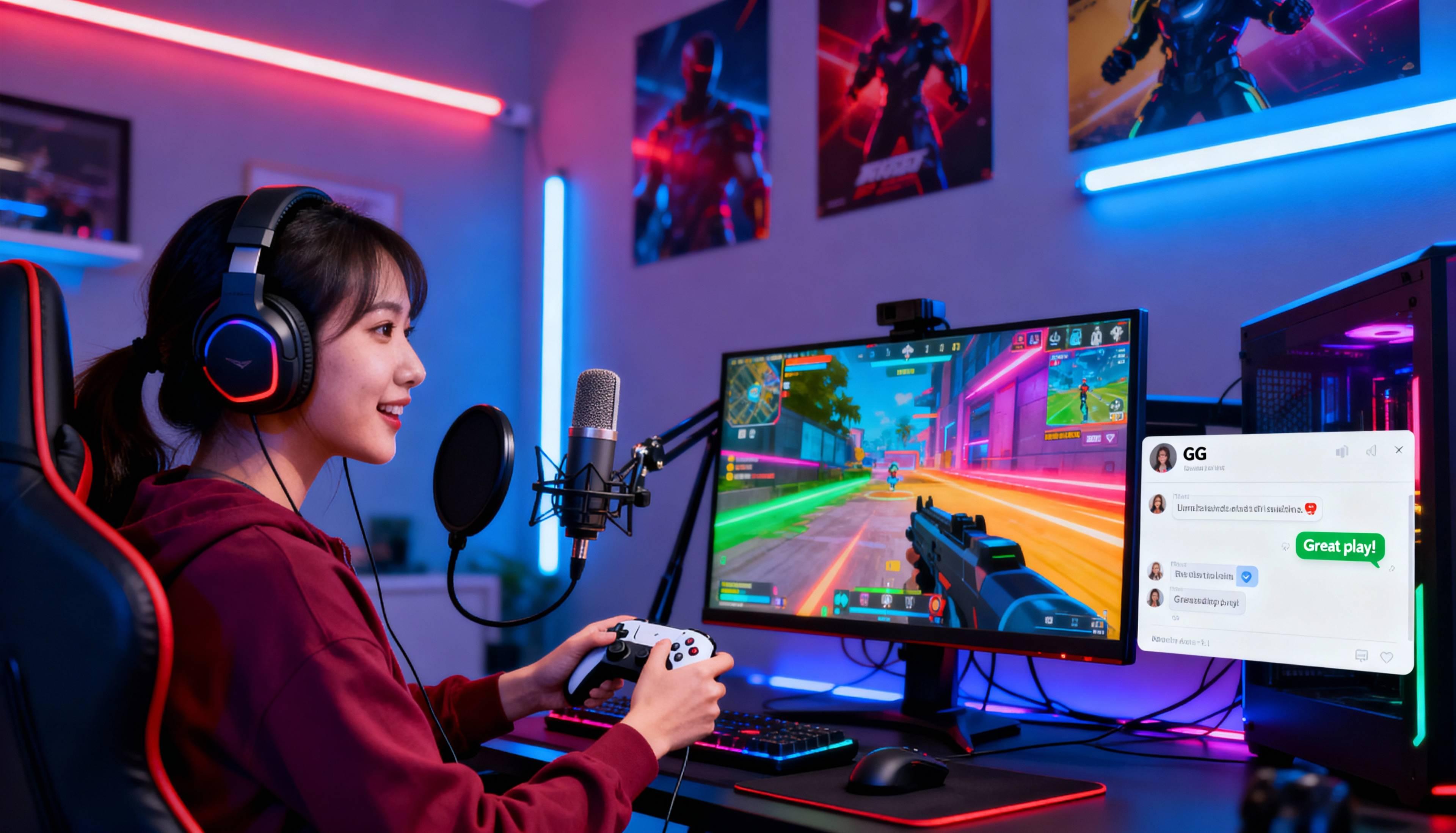
How Affiliate Marketing Works in Gaming
A gaming affiliate campaign usually connects three main sides: the brand, the affiliate, and the audience.
Gaming creators can integrate affiliate links or codes naturally into YouTube videos, Twitch streams, TikTok content, blogs, Discord communities, or social media posts. When followers use those links or codes, the brand can attribute the resulting activity to the individual partner.
Affiliate programs can therefore support different objectives:
- Driving game purchases and downloads
- Generating registrations or subscriptions
- Promoting gaming hardware and accessories
- Increasing sales of digital products
- Supporting new game launches
- Promoting special offers and seasonal campaigns
- Building long-term creator partnerships
The key difference from traditional advertising is the performance-based structure. Instead of paying only for exposure, brands can connect partner activity to measurable outcomes.
The Rise of Creator Affiliate Programs
Affiliate marketing is increasingly moving beyond traditional coupon websites and comparison platforms. Creators are becoming an important part of affiliate programs because they already have established relationships with their audiences.
Research from impact.com found that 59% of brands planned to allocate at least 25% of their affiliate budgets to creator partnerships, highlighting the growing overlap between affiliate marketing and the creator economy.
For gaming brands, this creates an opportunity to combine the authenticity of creator content with the measurable structure of performance marketing.
A streamer can recommend a game during a live broadcast, a YouTuber can include a purchase link in a video description, or a gaming community can share a dedicated referral code. Each interaction can be tracked and optimized.
Gaming Brands Are Already Using Performance-Based Partnerships
The gaming industry already provides examples of companies using partner and affiliate-style models to support user acquisition.
Wargaming, for example, launched an affiliate program through a third-party network and later adopted technology designed to give the company greater control over partner marketing, data, and optimization. A published case study reports a 250% increase in revenue from partner marketing following the implementation.
Gaming campaigns can also combine creator partnerships with performance objectives. For example, a PUBG Mobile creator program included recruiting YouTube gaming influencers into an affiliate-style incentive program, demonstrating how creators can become part of a structured acquisition strategy rather than simply receiving one-off sponsorships.
From Influencer Marketing to Affiliate Partnerships
Traditional influencer campaigns often focus on reach, impressions, views, and engagement.
Affiliate marketing adds another layer: what happens after someone sees the content?
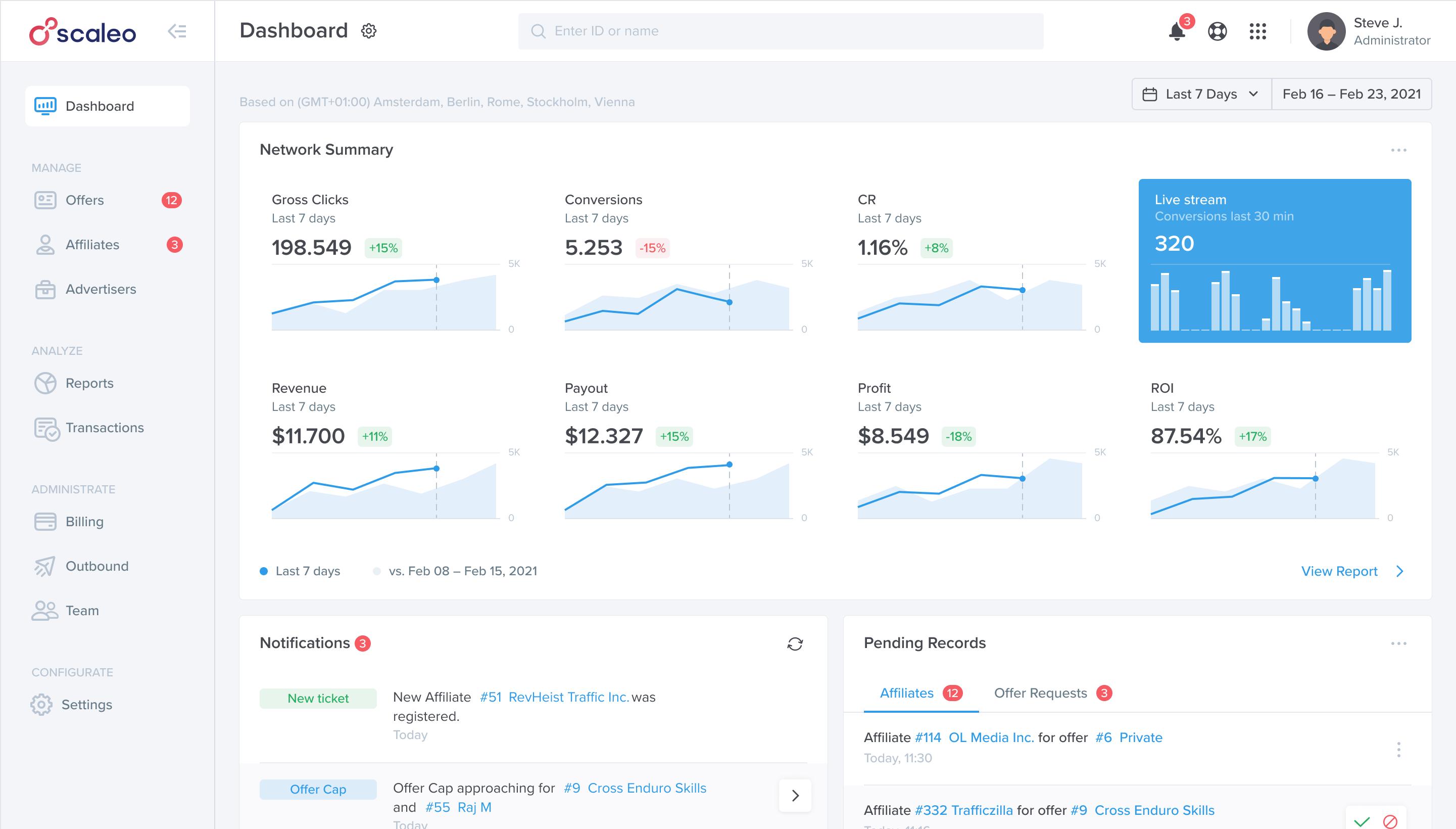
A successful creator partnership can therefore move through several stages: Content → Click → Landing Page → Conversion → Revenue
This makes it possible to identify which creators, platforms, audiences, and types of content generate actual business results.
Gaming brands can use this information to understand:
- Which creators generate the most conversions
- Which platforms produce the highest-quality traffic
- Which content formats perform best
- Which audiences are most likely to convert
- Which offers motivate players to take action
The result is a more measurable approach to creator marketing.
Affiliate Marketing Meets Gaming Communities
One of the biggest opportunities lies in combining affiliate marketing with gaming communities.
Communities on Discord, Reddit, YouTube, Twitch, and social platforms already exchange recommendations about games, hardware, accessories, and digital products. Affiliate programs can give community leaders and creators a structured way to monetize these recommendations while allowing brands to track the resulting activity.
The most effective approach is not simply adding links everywhere. The offer needs to feel relevant to the community.
For example:
- A hardware creator can recommend equipment they actually use.
- A gaming YouTuber can introduce a new title through gameplay content.
- A Discord community can share launch-related offers.
- A streamer can provide a personalized referral code.
- A gaming website can publish guides, reviews, or comparison content containing tracked links.
The common element is relevance and trust.
The Importance of Authenticity
Affiliate marketing works best when the recommendation fits naturally into the creator's existing content.
A recent case study of Gamers Only reported 6,500 affiliate-driven sales from approximately 100 affiliates over eight months , with the company emphasizing authentic promotion rather than forcing affiliates to meet sales quotas. The program also used different structures for standard affiliates, creators, and paid partners.
This approach is particularly relevant to gaming audiences. Players are accustomed to creator recommendations, but they can also recognize when content feels overly scripted or disconnected from the creator's usual style.
Giving creators freedom to communicate products in their own voice can make affiliate content feel more like a genuine recommendation and less like traditional advertising.
- A hardware creator can recommend equipment they actually use.
The common element is relevance and trust.
Affiliate Marketing for Game Launches
Affiliate partnerships can also become part of a game's launch strategy.
Before launch, selected creators can receive early access, promotional materials, or unique referral links. During launch, their content can generate traffic and conversions, while performance data can help the marketing team identify the strongest partners.
The process can include:
- Recruiting relevant gaming creators
- Providing unique links or promotional codes
- Preparing creator guidelines and assets
- Coordinating launch dates
- Tracking clicks and conversions
- Optimizing commissions and incentives
- Scaling the highest-performing partnerships
This makes affiliate marketing particularly useful as part of a broader game launch and community strategy rather than as an isolated channel.
Why Gaming Brands Should Pay Attention
Affiliate marketing offers several advantages for gaming companies:
- Performance-based: spending can be connected to measurable actions.
- Scalable: successful partners can be expanded without rebuilding the entire campaign.
- Creator-driven: brands can access established gaming audiences.
- Trackable: unique links and codes make attribution easier.
- Flexible: programs can work with creators, publishers, communities, and websites.
- Long-term: successful affiliates can become ongoing brand partners.
The growing connection between affiliate marketing and creator partnerships is also changing how brands think about performance marketing. www.gamecommunity.org 2025 research found that brands are increasingly allocating affiliate budgets toward creators and experimenting with alternative attribution models.
Final Thoughts
Affiliate marketing is evolving from a simple referral model into a broader creator and partner growth strategy.
For gaming brands, its value comes from combining three things: community trust, creator influence, and measurable performance.
Whether the goal is launching a new game, increasing sales, driving registrations, promoting gaming products, or expanding into new audiences, affiliate partnerships can create an additional layer between content and conversion.
The strongest programs are not built around links alone. They are built around the right partners, relevant audiences, authentic content, transparent tracking, and incentives that create value for both the brand and the community.
As gaming continues to become increasingly creator-driven, affiliate marketing has the potential to become an important bridge between gaming content, communities, and measurable business growth.
Graphics sources:
www.dutchcowboys.nl
www.toptut.com