
Behind the Creation of a Video Game: Where Ideas Become Experiences
Every video game starts with something small: an idea, a mechanic, a character, or simply a feeling that a developer wants players to experience.
Turning that idea into a finished game, however, requires much more than programming. Game creation brings together design, art, technology, storytelling, sound, and player psychology to create one interactive experience.
From Concept to Playable World
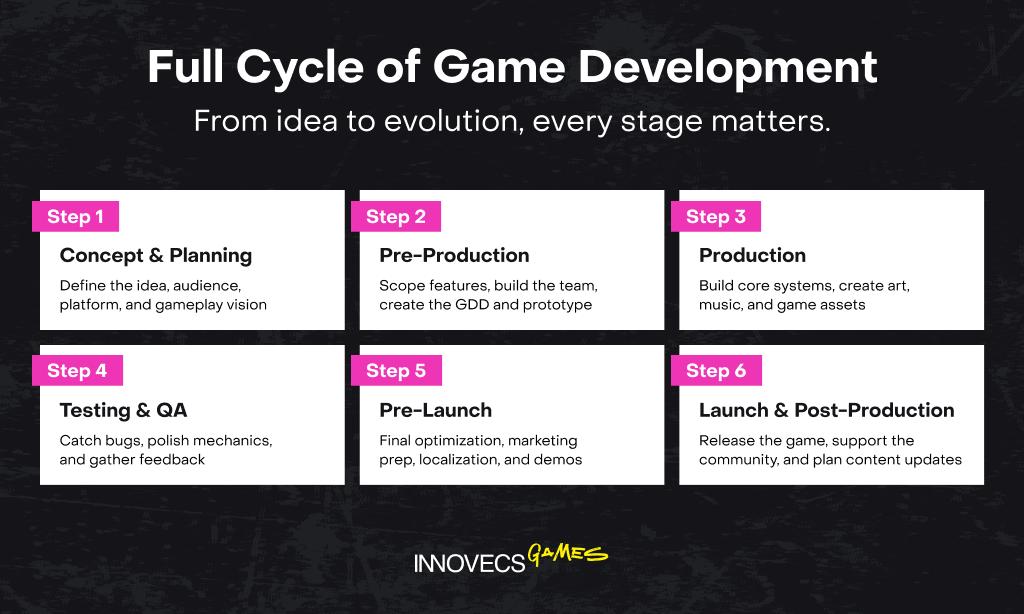
The first stage is usually about defining the game's identity. Developers decide what kind of experience they want to create, who it is for, and what will make players want to come back.
A strong concept doesn't necessarily need to be complicated. Sometimes one interesting mechanic can become the foundation for an entire game.
From there, developers create early prototypes. These rough versions allow teams to experiment with gameplay before investing heavily in graphics, animations, and other content.
This is where many important decisions happen: What feels fun? What doesn't work? What should change?
More Than Just Code
Programming is only one part of game development.
Artists create characters, environments, animations, and visual effects. Designers shape levels, mechanics, and progression.
Writers develop stories and dialogue, while sound designers and composers create the audio atmosphere.
All of these elements need to work together.
A beautifully designed character means little if the controls feel frustrating. A great story can lose its impact if the pacing is poor. A sophisticated mechanic can fail if players don't understand how to use it.
Game development is therefore a constant process of balancing different creative and technical elements.
- What type of game is it?
The Role of Player Feedback
One of the most important parts of creating a game happens outside the development team.
Players experience a game differently from its creators. Something that seems obvious to a developer may be confusing to a new player, while a feature the team considers minor might become a favorite part of the experience.
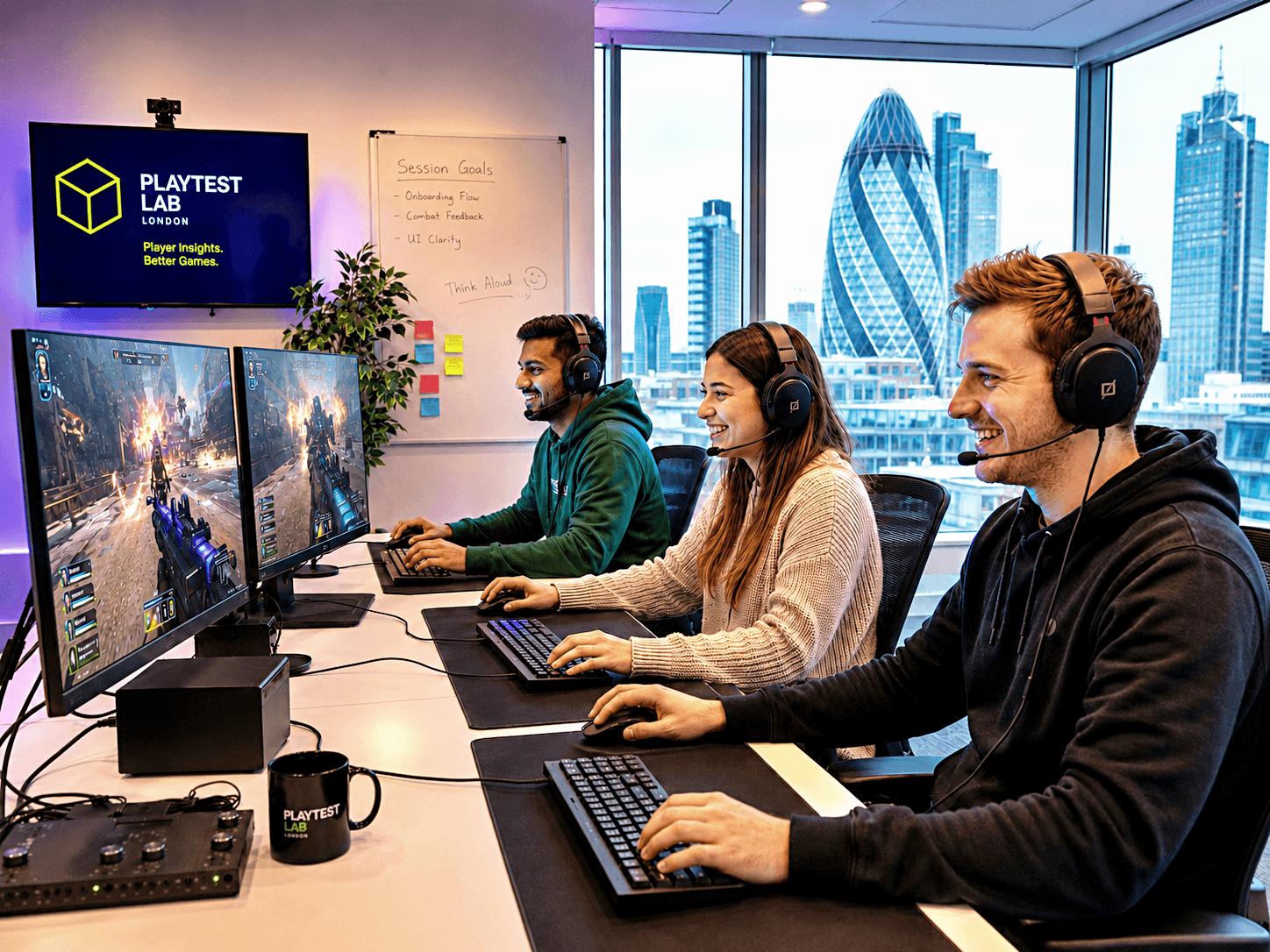
That is why playtesting is so valuable.
Developers can observe how people actually play, collect feedback, identify problems, and make changes. The game gradually evolves through this process.
- What type of game is it?
Building for the Long Term
For many modern games, development doesn't stop when the game launches.
Online and live-service titles can continue receiving new maps, characters, events, updates, and improvements. Developers monitor player feedback and game performance to understand what should be changed or expanded.
This creates an ongoing relationship between the development team and its community.
The game becomes more than a finished product—it becomes a constantly evolving experience.
- What type of game is it?
Final Thoughts
Creating a video game is a combination of ideas, experimentation, technology, and collaboration.
There is rarely a perfectly straight path from the first concept to the final release. Games change as developers test mechanics, players provide feedback, and new ideas emerge.
Behind every finished game is a long process of turning an abstract idea into something people can play, experience, and remember.
Graphics sources:
www.innovecsgames.com
forms.researchi.co.uk